
AIO, LLMO & SEO tool SEOAGENT
AIO, LLMO and SEO in one tool.
From writing and publishing to analysis and improvement. Build a website people can find in AI search and search engines.
Build a website that helps people discover your business.
Bring together the content work behind AIO and LLMO with SEO analysis and improvement. Create articles from your own materials, publish to WordPress and note, and review internal links and existing articles to build a website that attracts the right visitors.
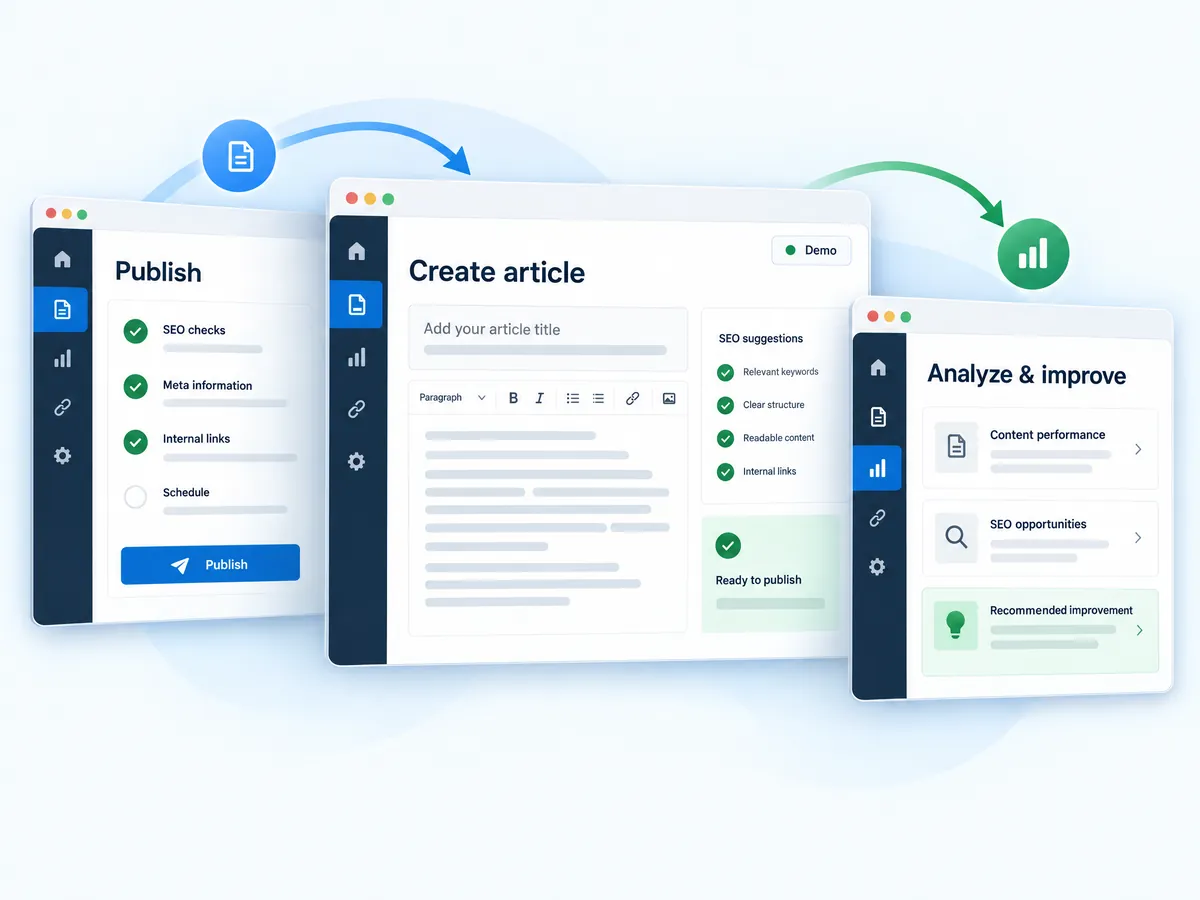
Too many SEO tasks to manage on your own?
You may be unsure what to write, short of writing time, or unsure what to change after publication. SEOAGENT connects these tasks in a structured workflow.
One workflow for practical SEO work.
| Stage | What you can do |
|---|---|
| Plan | Review business goals, keywords, and existing pages |
| Create | Use your materials to prepare headings, text, and images |
| Review and publish | Check the content and publish or schedule it in WordPress |
| Measure | Review available Search Console and GA4 information |
| Improve | Revisit content, internal links, and topic organization |
Make your expertise part of the article.
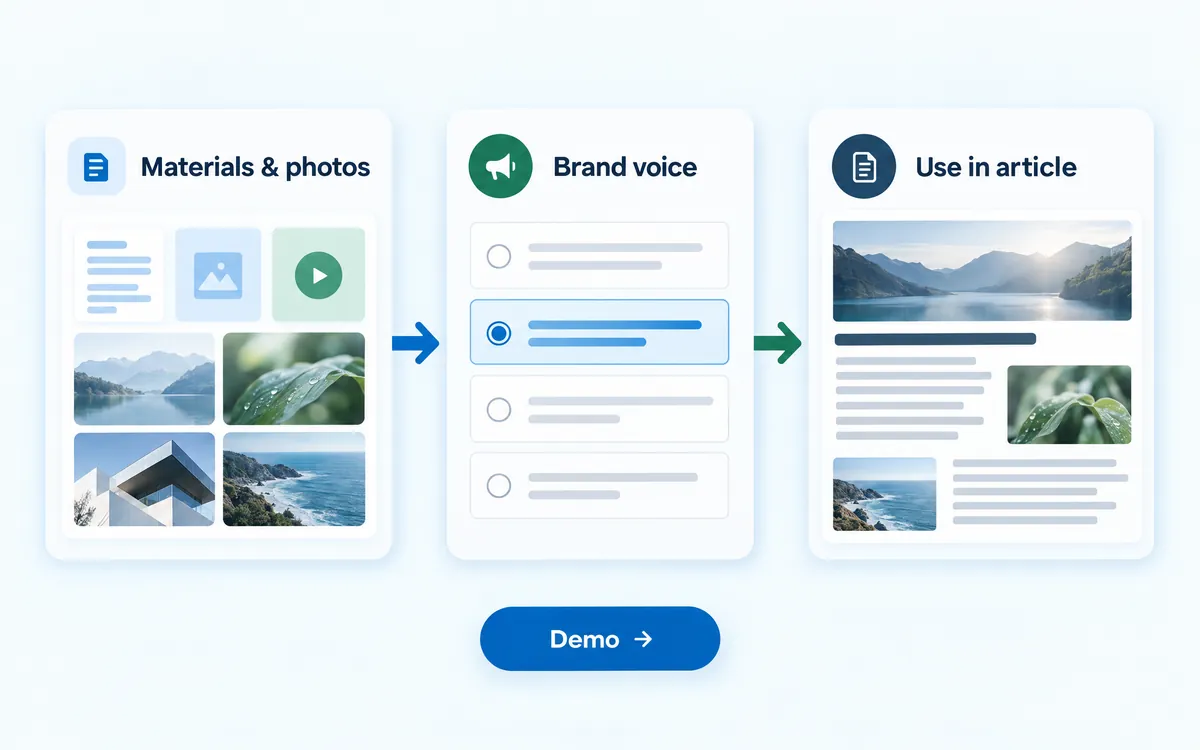
Use product information, genuine examples, common questions, and photos as writing materials. Add the details your business can contribute instead of relying on generic AI text.
Edit the draft and review supporting materials and sources before publishing.
WordPress or note: from writing to publishing.
Update articles on your own site or publish on note. Adapt your drafts to each destination and move on to publishing, using the WordPress integration and the Chrome-extension-based note integration, each with steps suited to that destination.
Publishing and updating on WordPress
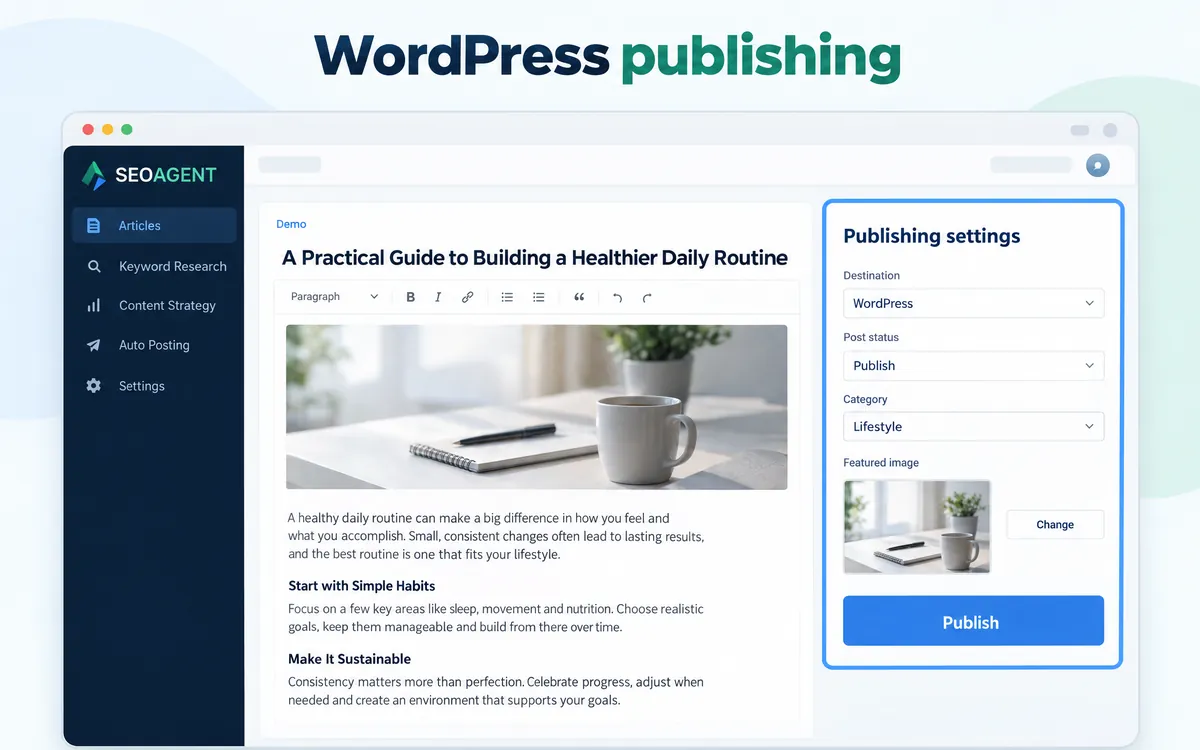
Reduce the work of copying text and images into another editor. Send reviewed articles to your connected WordPress site.
From writing to publishing on note.
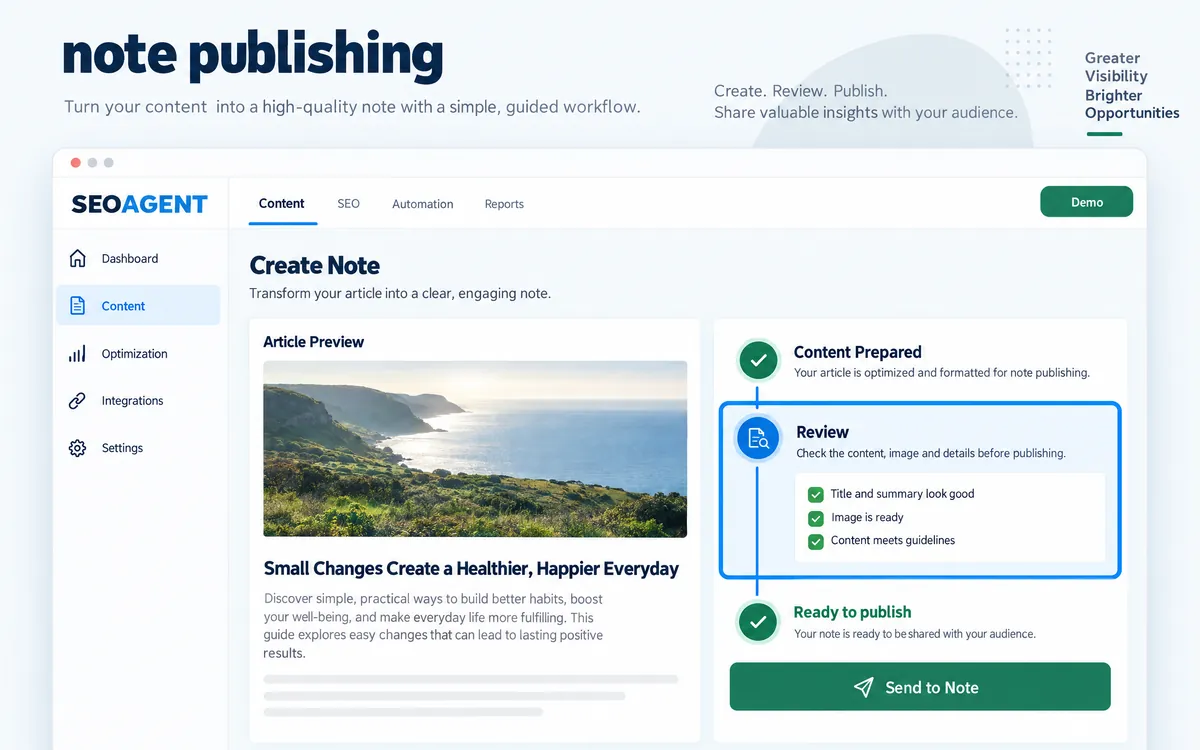
Create article outlines, copy, and images with AI, then move to publishing through your connected Chrome extension. Manage keywords and recurring schedules in one workflow.
After publication, find the next useful action.
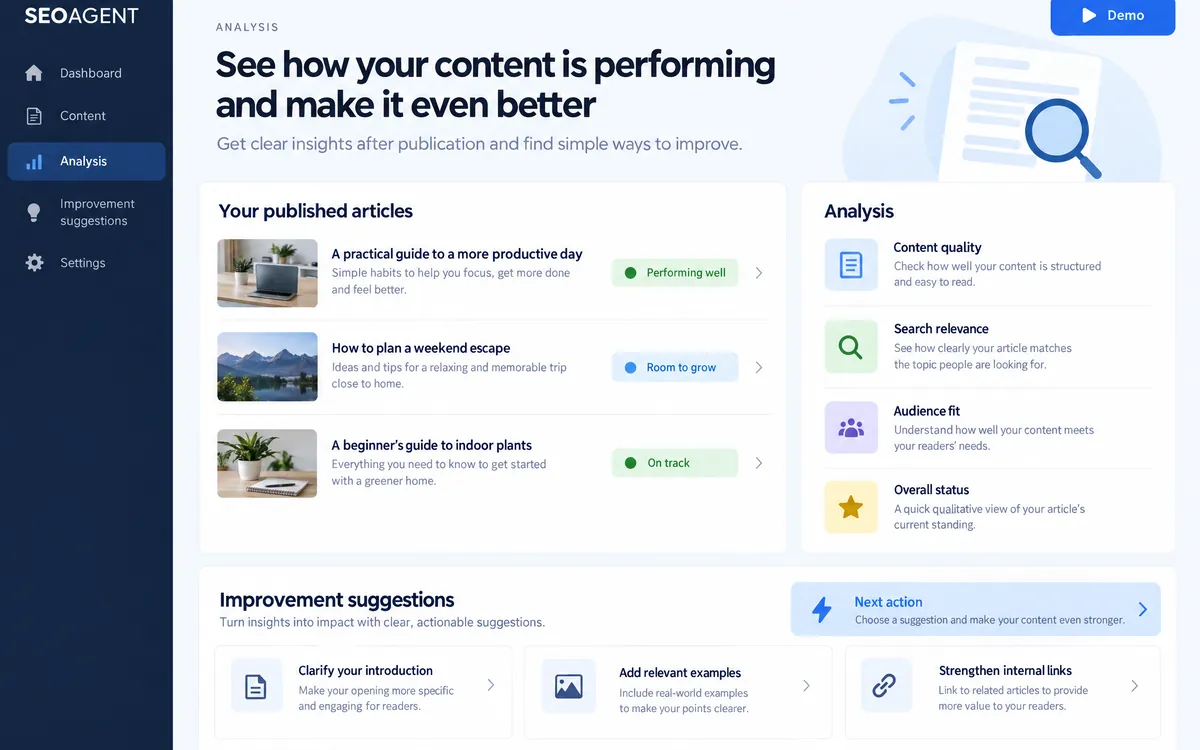
Move from the site overview to an individual article. Review search queries and click trends, then choose what to examine or change.
Article details organize information into overview, queries and trends, improvement findings, links, and other available sections. Move from a reason to the relevant action.
Connect articles into a useful website.
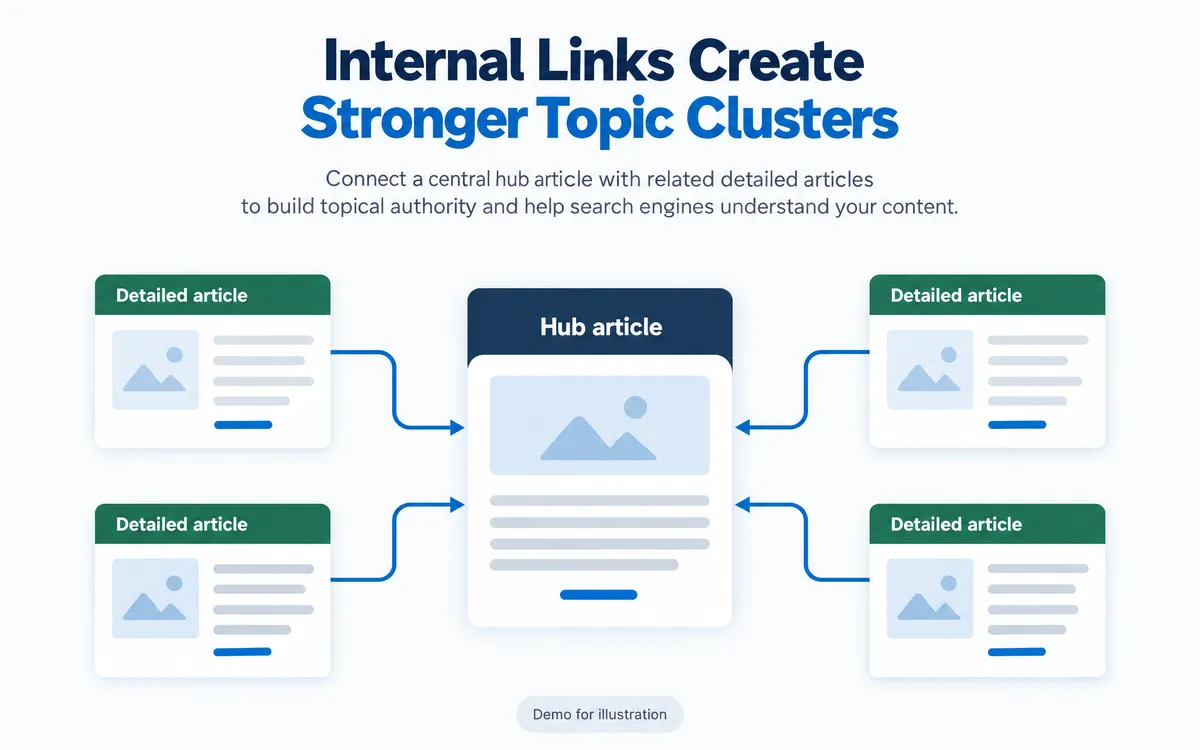
Internal links: guide readers to their next question
Review the destination, paragraph, wording, and reason for a link. Insert a supported suggestion into the draft and publish the update after review.
Topic clusters: organize main guides and supporting articles
A guide to choosing a coffee maker could connect to articles on machine types, maintenance, and placement. Organize a subject around what readers need to understand.
SEOAGENT helps suggest these groups and review connections and missing topics.
This example illustrates the concept. It is not actual generated output or a measured search result.
Go deeper when you need more information.
Ahrefs integration connects additional keyword and competitor research with article planning. Review the purpose and API usage limit before running research.
Backlink and website prospect organization helps you review relevant sites and public contact information.
AI-search and page-speed diagnostics provide specific information about supported settings, referrals, and speed.
Ahrefs is optional and requires your own suitable API access. Ahrefs usage terms and charges apply. Backlinks and inclusion in AI answers are not guaranteed.
Start where your site is today.
New to SEO? Begin with topic planning and your own materials. Already have content? Start with analytics, rewriting, and connections between articles.
Get started with the information you already have.
1. Set up your site and publishing destination. Connect your existing WordPress site.
2. Add your goals and materials. Gather product information and genuine reader questions.
3. Create your first article and review the next step. Use available Google data to plan further content and improvements.
Request pricing and usage information.
Discuss your article volume, sites, and workflow. Request details about pricing, feature scope, external API usage, and contract terms.
Frequently asked questions
Can I use this if I am new to SEO?
Topic candidates and explanations help you work through the tasks. You still need to verify business facts and choose which proposals to use.
Can I publish to WordPress?
Yes. Publish or schedule content on a connected WordPress site and update corresponding existing articles.
Can I organize links and topic groups?
Yes. Review suggested links and groups of main and supporting articles before applying the relevant changes.
Is Ahrefs required?
No. It is an optional source for additional research.
Are rankings or traffic increases guaranteed?
No. SEOAGENT supports ongoing creation and improvement; results depend on content, competition, site conditions, and other factors.
Learn how to approach AIO and LLMO.
Practical guides for teams getting started, from core ideas to hands-on steps.
- Links guide readers. Clusters organize a subject.
- Separate the work AI assists from the decisions your team owns.
- Help the right reader find useful information.
Keep up with AI search and content tools.
New announcements, together with what to check on your own website.
See AI newsMake SEO a workflow you can keep improving.
Turn your knowledge into useful content, review the results, and work on the next improvement with SEOAGENT.